Lucky Fly Fishing T-shirt Sublimation Review
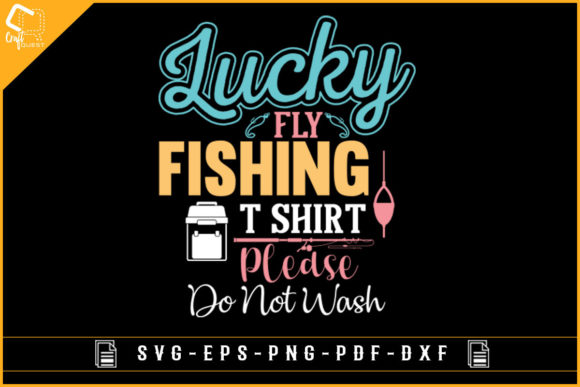
As a professional designer who bridges the gap between digital graphics and tactile needlework, I approach every new asset with a critical eye. When evaluating the Lucky Fly Fishing T-shirt Sublimation file for potential adaptation into embroidery, my first impression is one of rustic charm mixed with modern vector clarity. The design captures a specific mood that resonates deeply with outdoor enthusiasts: the quiet patience of fly fishing combined with a touch of whimsical luck. Visually, the layout suggests a balanced composition that would translate well from a flat screen to a textured fabric surface. However, moving from a sublimation-ready graphic to a stitched reality requires careful translation. This review explores how this specific artwork performs when reimagined as a machine embroidery design for real-world projects.
Translating Vector Graphics to Stitched Reality
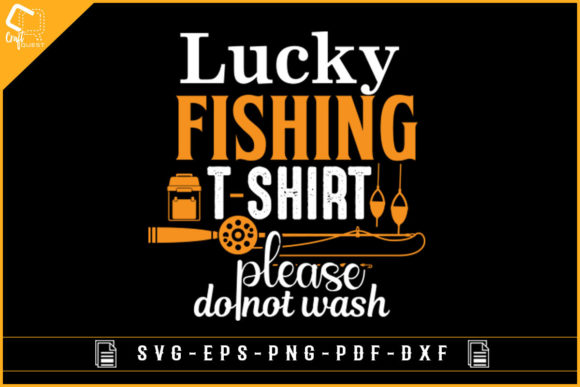
The source files for Lucky Fly Fishing T-shirt Sublimation include SVG, EPS, DXF, PNG, and PDF formats. For an embroidery digitizer or crafter, the SVG and EPS files are the gold standard here. They provide clean, scalable paths that make redrawing for stitch generation significantly easier than tracing a raster image. The visual personality of this design leans towards a vintage badge or illustrative style, which is currently trending in the handmade product market. The lines appear confident but not overly complex, suggesting that a combination of satin stitch borders and fill stitch interiors would replicate the original art without becoming bulletproof or stiff.
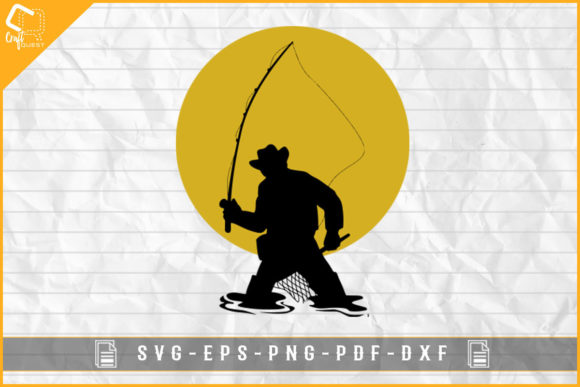
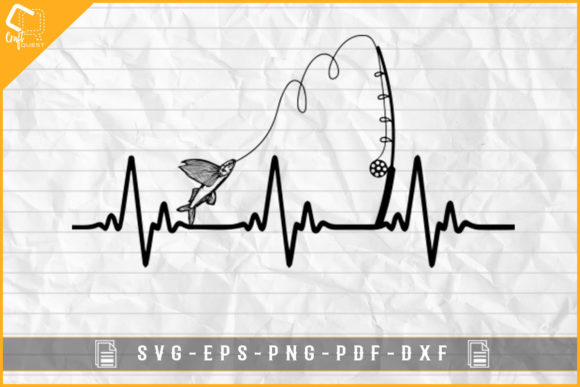
When I look at this graphic, I immediately envision it as an embroidered patch or a left-chest logo on a sweatshirt. The theme demands a certain level of detail to convey the "fly fishing" aspect—specifically the rod, line, and potentially the fly itself. In a sublimation print, these details are effortless. In embroidery, they require strategic planning. If the fly or hook elements are too thin, they may need to be exaggerated slightly during digitizing to prevent thread breaks or tension issues. The overall shape feels organic, avoiding rigid geometric boxes, which allows for better drape on garments like t-shirts and hoodies.
Real-World Application: The Custom Canvas Tote Project
To truly test the viability of Lucky Fly Fishing T-shirt Sublimation as an embroidery asset, I mentally prototyped a custom canvas tote bag intended as a personalized gift for a fishing guide. Tote bags are excellent test subjects because the fabric texture is coarse, similar to many outdoor apparel materials, and the item sees heavy use.
In this scenario, the design serves as the focal point of the bag. Because the original artwork is designed for t-shirts, the scale is likely appropriate for a 5x7 hoop size or larger. For the tote bag project, I would utilize a cutaway stabilizer to support the dense fill stitches against the canvas weave. The "Lucky" text element in the design offers a perfect opportunity for high-contrast thread colors, perhaps a metallic gold or deep forest green to elevate the perceived value of the finished product. This application highlights the design’s strength: it tells a story. A customer buying this tote isn't just buying a bag; they are buying into the identity of being a lucky angler. The emotional connection drives sales for Etsy sellers and small shop owners far more effectively than generic clip art.
Navigating Fabric Constraints and Hoop Limitations
While the aesthetic is versatile, practical execution requires caution. Not every fabric welcomes this type of detailed illustration. I would advise against using Lucky Fly Fishing T-shirt Sublimation on highly stretchy performance fabrics without significant stabilization testing. The density required to render the fishing gear clearly can cause puckering on lightweight polyester or spandex blends. Similarly, dark fabrics present a challenge if the design relies on light-colored internal shading; you may need to add a white underlay base to maintain color vibrancy, which increases stitch count and stiffness.
Small hoop sizes are another constraint. If you attempt to shrink this design down to a 2-inch cap logo, the intricate details of the fly line will likely become lost or cause registration errors. Caps introduce the added difficulty of a curved stitching surface. If adapting this for headwear, simplify the background elements and focus solely on the central icon and primary text. Always verify your hoop size compatibility before purchasing or digitizing. There is nothing worse than realizing mid-project that the design exceeds your machine's maximum stitching area by mere millimeters.
Critical Considerations for Delicate Details
- Text Legibility: Ensure any text within the design remains above 0.2 inches in height after resizing. Anything smaller risks becoming illegible once stitched.
- Stitch Density: Monitor the transition areas between satin and fill stitches. Gaps here can expose fabric, while overlaps can create holes.
- Fabric Texture: On textured fabrics like fleece or towel, use a water-soluble topping to prevent stitches from sinking into the pile.
- Washability: Despite the product title mentioning "Please Do Not Wash," embroidered goods must withstand laundering. Use high-quality polyester threads and secure locking stitches to ensure longevity.
Enhancing Brand Value and Customer Trust
For creative entrepreneurs and commercial embroidery businesses, the quality of your digital assets directly impacts your reputation. Using a polished graphic like Lucky Fly Fishing T-shirt Sublimation signals professionalism. When a client receives a sweatshirt where the fish scales are distinct and the lettering is crisp, trust is established. Conversely, a poorly adapted design with jumping threads and misaligned outlines devalues the entire brand.
This design also offers excellent versatility for digital product sellers. You can create printable mockups using the original PNG file to showcase what the embroidered version will look like before you even thread the needle. This saves time and materials while allowing you to gauge market interest. Whether you are selling the finished embroidered patch, the custom apparel, or the digitized embroidery file itself, maintaining visual consistency across platforms reinforces brand recognition. The niche appeal of fly fishing ensures that this design targets a passionate demographic willing to pay a premium for specialized, high-quality handmade products.
Designer Notes for Successful Execution
Before committing Lucky Fly Fishing T-shirt Sublimation to a final product, follow these professional best practices to ensure success:
- Test on Scrap Fabric: Never stitch directly onto a sellable item first. Run a test on similar fabric weight and texture to check tension and stabilizer adequacy.
- Verify Licensing: Confirm whether your purchase includes commercial rights for selling finished embroidered items versus just personal use. This distinction is vital for Etsy sellers and business owners.
- Check Thread Contrast: View the design in black and white during the digitizing phase to ensure tonal contrast exists independent of color. This guarantees readability on various garment shades.
- Inspect Small Details: Zoom in to 100% view in your software. If a line looks thinner than a single needle width, thicken it or convert it to a running stitch accent.
- Evaluate Wash Fastness: Since the original file warns against washing, assume the sublimation ink might be sensitive. However, as an embroiderer, you control the thread. Use colorfast threads and educate customers on proper care for the stitched portion.
Ultimately, Lucky Fly Fishing T-shirt Sublimation represents a strong foundation for embroidery projects targeting the outdoor and angling community. Its blend of thematic relevance and clean vector structure makes it a valuable asset for makers who understand the nuances of translating pixels to stitches. By respecting the technical limitations of embroidery and leveraging the design's inherent charm, you can create finished products that delight customers and stand the test of time. Always remember that successful embroidery is a marriage of artistic vision and mechanical precision; let this design inspire both.